
Discover a comprehensive PDF guide listing foods that combat inflammation, aiding overall health. Prioritize whole, unprocessed options, carefully reading labels to avoid hidden inflammatory oils like refined sunflower oil.
Understanding Inflammation and Diet
Inflammation is a natural bodily response, but chronic inflammation underlies many health issues. Diet plays a pivotal role; certain foods actively promote inflammation, while others powerfully combat it. A PDF guide to anti-inflammatory foods simplifies navigating this complex relationship.
The provided resources highlight key dietary strategies. Avoiding pro-inflammatory ingredients, like refined sunflower oil, is crucial – even seemingly “healthy” products can contain them. Focusing on whole, unprocessed foods is paramount. This PDF resource categorizes beneficial foods, offering practical suggestions for daily and weekly integration into your meals.
Understanding how foods impact inflammation empowers proactive health management. The guide helps identify and prioritize choices that support a balanced, anti-inflammatory lifestyle, ultimately contributing to improved well-being.
The Role of a PDF Guide to Anti-Inflammatory Foods
A PDF guide serves as a centralized, accessible resource for navigating the world of anti-inflammatory eating. It consolidates information, offering a structured approach to dietary changes, moving beyond a simple food list. This format allows for easy reference and integration into daily life.
These guides categorize foods – oils (like extra virgin olive oil, walnut, rapeseed, and flaxseed), fruits, vegetables, spices, and more – providing practical suggestions for incorporation. Crucially, they emphasize reading food labels to identify and avoid hidden pro-inflammatory ingredients, such as refined sunflower oil.
The PDF format facilitates a holistic understanding, linking diet to gut health, dysbiosis, and intestinal permeability, offering a comprehensive path towards reducing inflammation and improving overall wellness.

Key Anti-Inflammatory Foods: Oils
Prioritize extra virgin olive oil, rich in oleocanthal, alongside walnut, rapeseed, and flaxseed oils. Avoid refined sunflower oil, a pro-inflammatory option;
Extra Virgin Olive Oil and Oleocanthal
Extra virgin olive oil (EVOO) stands out as a cornerstone of an anti-inflammatory diet, largely due to its unique compound: oleocanthal. This naturally occurring phenol exhibits potent anti-inflammatory properties, mirroring the effects of over-the-counter pain relievers like ibuprofen.
However, it’s crucial to consider how EVOO is used. The beneficial compounds are best preserved when the oil is consumed raw – in salad dressings, dips, or drizzled over finished dishes. High-heat cooking can degrade oleocanthal, diminishing its anti-inflammatory benefits. Therefore, using EVOO as a finishing oil, added after cooking, is ideal.

When selecting EVOO, look for cold-pressed, unrefined varieties to ensure maximum oleocanthal content and overall quality. Incorporating EVOO into your daily routine is a simple yet powerful step towards reducing inflammation and promoting overall well-being.
Walnut, Rapeseed, and Flaxseed Oils
Diversifying your oil intake beyond extra virgin olive oil is beneficial, and walnut, rapeseed (canola), and flaxseed oils offer excellent anti-inflammatory alternatives. These oils are rich in omega-3 fatty acids, specifically alpha-linolenic acid (ALA), which the body converts into EPA and DHA – potent inflammation fighters.
Walnut oil provides a nutty flavor and a good source of ALA. Rapeseed oil, often overlooked, also boasts a favorable omega-3 to omega-6 ratio. Flaxseed oil is particularly high in ALA, but its delicate nature makes it unsuitable for cooking; it’s best used in cold applications like salad dressings.
Remember to store these oils in dark, cool places to prevent oxidation and maintain their beneficial properties. Rotating these oils alongside EVOO ensures a broader spectrum of anti-inflammatory compounds in your diet.
Avoiding Pro-Inflammatory Oils (Sunflower Oil)
Certain vegetable oils actively promote inflammation and should be limited or avoided altogether. Sunflower oil, particularly refined versions, is a prime example. It’s exceptionally high in omega-6 fatty acids, and an imbalance between omega-6 and omega-3 intake fuels inflammatory processes within the body.
While some omega-6 is necessary, the modern diet often contains an excessive amount, largely due to the widespread use of oils like sunflower, corn, and soybean oil. Always scrutinize food labels; these oils are frequently hidden in processed foods, sauces, and dressings.
Prioritize oils with a better omega-3 to omega-6 ratio, such as extra virgin olive oil, walnut oil, and flaxseed oil, to actively reduce inflammation and support overall health. Choosing whole, unprocessed foods minimizes exposure to these pro-inflammatory fats.

Fruits & Vegetables with Anti-Inflammatory Properties
Embrace colorful produce! Pineapple (bromelain), leafy greens like kale and spinach, and other fruits & vegetables are key to reducing inflammation naturally.
Pineapple and its Bromelain Content
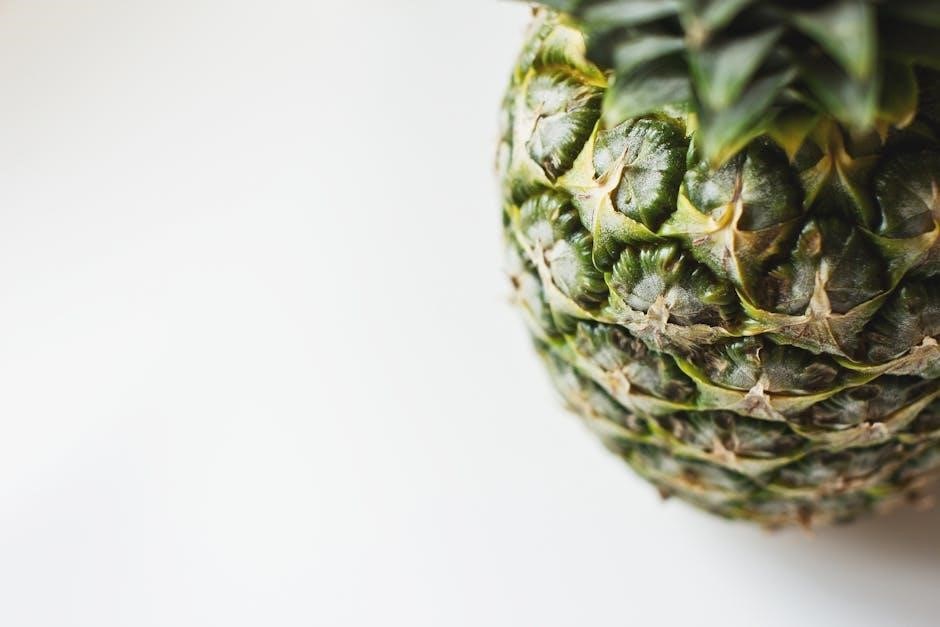
Pineapple stands out as a tropical fruit brimming with potent anti-inflammatory properties, largely attributed to its unique enzyme content – bromelain. This enzyme isn’t just a digestive aid; it actively works to reduce inflammation throughout the body, offering protection against various ailments and diseases.
Bromelain’s benefits extend to easing joint pain, supporting gut health, and even potentially aiding in recovery after intense physical activity. When incorporating pineapple into your anti-inflammatory diet, remember that fresh pineapple generally contains higher levels of bromelain compared to canned varieties.
Consider adding pineapple to smoothies, salads, or enjoying it as a refreshing snack. Its versatility makes it easy to integrate into your daily routine, contributing to a more balanced and inflammation-conscious lifestyle. A PDF guide will help you track your intake!
Leafy Greens: Kale, Chard, and Spinach
Kale, chard, and spinach are nutritional powerhouses, packed with vitamins, minerals, and potent antioxidants that actively combat inflammation. These leafy greens are rich in vitamins K, A, and C, alongside flavonoids and carotenoids – compounds known for their protective effects against cellular damage and inflammatory responses.
Regular consumption of these greens can contribute to reduced risk of chronic diseases and improved overall well-being. They support a healthy gut microbiome, further enhancing their anti-inflammatory benefits. Incorporate them into salads, smoothies, or lightly sautéed as a side dish.
A detailed PDF guide can help you plan meals featuring these vibrant vegetables, ensuring you consistently benefit from their remarkable anti-inflammatory properties. Prioritize fresh, organic options whenever possible for maximum nutritional value.
Spices and Herbs for Inflammation Reduction
Explore a PDF guide detailing spices like turmeric, ginger, thyme, and rosemary—aromatic allies offering potent anti-inflammatory benefits for a healthier lifestyle.
Turmeric: The Power of Curcumin
Turmeric, a vibrant spice, stands out as a cornerstone in anti-inflammatory diets, prominently featured in comprehensive PDF guides on the subject. Its remarkable power stems from curcumin, a bioactive compound celebrated for its potent ability to combat inflammation within the body. This isn’t merely anecdotal; research suggests curcumin’s effects rival those of pharmaceutical anti-inflammatory drugs.
When utilizing a PDF list of anti-inflammatory foods, pay close attention to incorporating turmeric into your daily routine. It’s incredibly versatile, lending itself beautifully to a wide array of culinary applications – from curries and soups to smoothies and golden milk. However, bioavailability is key; pairing turmeric with black pepper significantly enhances curcumin absorption, maximizing its beneficial effects. A well-structured PDF will often highlight this crucial pairing for optimal results.
Ginger: Versatile and Protective
Ginger consistently earns a top spot on PDF lists detailing anti-inflammatory foods, and for good reason. Its reputation as a protective agent against numerous ailments is well-deserved, offering a natural approach to reducing inflammation throughout the body. A readily accessible resource, a detailed PDF guide will showcase ginger’s diverse applications in supporting overall wellness.
The beauty of ginger lies in its versatility. It seamlessly integrates into countless recipes, from savory dishes and stir-fries to teas and baked goods. When consulting your anti-inflammatory food PDF, explore creative ways to incorporate this powerful root into your diet. Beyond its culinary uses, ginger offers benefits like aiding digestion and potentially alleviating nausea. Its inclusion is a simple, yet effective, step towards a more anti-inflammatory lifestyle, as highlighted in many comprehensive guides.
Thyme and Rosemary: Aromatic Allies
A valuable anti-inflammatory food PDF will undoubtedly feature thyme and rosemary amongst its recommended herbs. These aromatic plants aren’t just culinary delights; they’re potent sources of compounds that actively combat inflammation within the body. Their inclusion demonstrates how easily anti-inflammatory strategies can be woven into everyday cooking.
These herbs offer a flavorful and natural way to support your health. Many PDF guides emphasize their protective qualities, suggesting regular consumption to potentially mitigate chronic inflammation. Whether sprinkled on roasted vegetables, infused in olive oil (another key anti-inflammatory!), or used to season meats, thyme and rosemary provide a delicious boost. Exploring a detailed PDF will reveal the synergistic benefits of combining these herbs with other anti-inflammatory staples for maximum impact, promoting a holistic approach to wellness.
Other Powerful Anti-Inflammatory Foods
A comprehensive PDF highlights green tea, garlic, onions, legumes, and alliums as key players in reducing inflammation through their rich nutrient profiles.
Green Tea: Polyphenol Rich
Green tea stands out as a potent anti-inflammatory agent, largely due to its exceptional concentration of polyphenols. These compounds, particularly catechins, possess remarkable antioxidant properties, effectively neutralizing free radicals and mitigating oxidative stress – a primary driver of inflammation within the body. A detailed PDF guide on anti-inflammatory foods consistently features green tea as a cornerstone element for dietary inclusion.
Regular consumption of green tea has been linked to reduced markers of inflammation and a decreased risk of chronic diseases. It’s a versatile beverage, easily incorporated into daily routines, offering a flavorful and healthful way to support the body’s natural defenses. The PDF resource emphasizes its accessibility and ease of integration into an anti-inflammatory lifestyle.
Garlic, Onions, Leeks, and Chives (Alliums)
Garlic, onions, leeks, and chives – collectively known as alliums – are culinary staples celebrated not only for their flavor but also for their significant anti-inflammatory benefits. These vegetables contain sulfur-containing compounds, such as allicin (in garlic), which contribute to their protective effects. A comprehensive PDF guide detailing anti-inflammatory foods prominently features this family of vegetables.
These alliums bolster the immune system and help combat inflammation by reducing the production of pro-inflammatory cytokines. Easily incorporated into a wide range of dishes, they offer a convenient and delicious way to enhance your diet. The PDF resource highlights their versatility and encourages regular consumption as part of an anti-inflammatory eating plan.
Legumes: A Plant-Based Protein Source
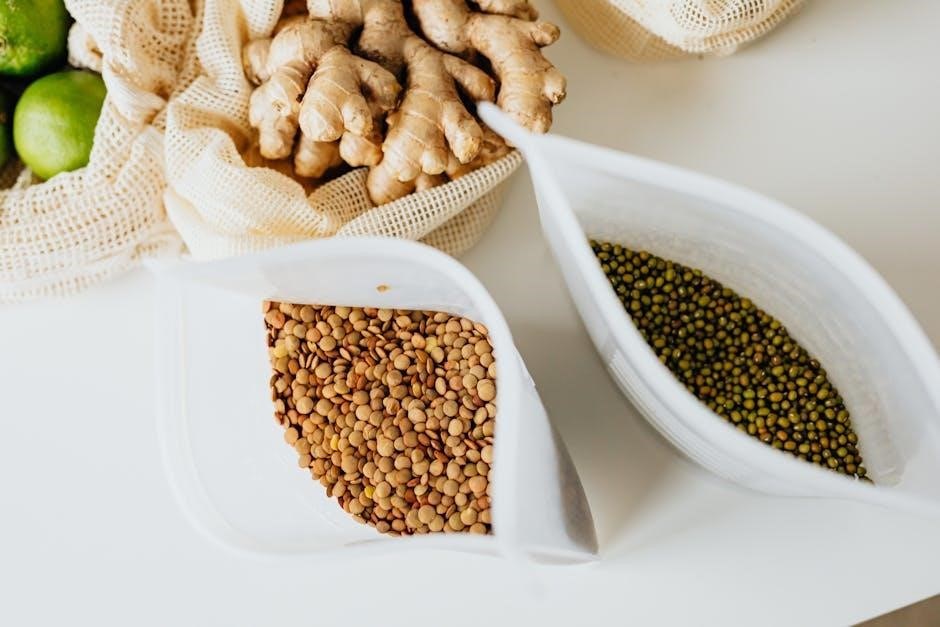
Legumes – including beans, lentils, and peas – represent a powerful addition to an anti-inflammatory diet, serving as excellent plant-based protein sources. A detailed PDF guide on anti-inflammatory foods consistently emphasizes their nutritional value and health benefits. Rich in fiber, antioxidants, and polyphenols, legumes actively combat inflammation within the body.
These versatile foods contribute to gut health, a crucial factor in managing inflammation, and help regulate blood sugar levels. The PDF resource suggests incorporating legumes into meals several times a week, offering practical recipe ideas and serving suggestions. Choosing a variety of legumes ensures a broad spectrum of nutrients, maximizing their anti-inflammatory impact and supporting overall well-being.

Gut Health and Anti-Inflammation
A PDF guide highlights the link between gut health, dysbiosis, and intestinal permeability. Rebalancing gut flora is key to reducing inflammation and improving overall wellness.
Addressing Dysbiosis and Intestinal Permeability
A detailed PDF resource emphasizes that inflammation often stems from an imbalanced gut microbiome – a condition known as dysbiosis. This imbalance can compromise the intestinal barrier, leading to increased intestinal permeability, often called “leaky gut.” The PDF guide stresses the importance of identifying and addressing the root causes of dysbiosis, which can include poor diet, stress, and certain medications.
Furthermore, it highlights how a compromised gut lining allows undigested food particles, toxins, and bacteria to enter the bloodstream, triggering a systemic inflammatory response. The guide suggests incorporating anti-inflammatory foods – detailed within the PDF – to help soothe the gut lining and promote a healthier microbiome. Restoring gut health is presented as a foundational step in managing chronic inflammation.
Rebalancing Gut Flora
The comprehensive PDF guide details strategies for rebalancing gut flora, crucial for reducing inflammation. It advocates for incorporating a diverse range of anti-inflammatory foods, specifically highlighting legumes as a plant-based protein source that supports beneficial gut bacteria. The PDF emphasizes that nurturing a thriving gut microbiome isn’t just about adding good bacteria, but also about removing factors that feed harmful bacteria.
This includes minimizing processed foods, sugar, and inflammatory fats. The guide suggests focusing on prebiotic-rich foods – not explicitly listed, but implied as part of an anti-inflammatory diet – to nourish existing beneficial bacteria. It also touches upon the importance of addressing intestinal permeability, as a healthy gut lining is essential for maintaining a balanced microbial ecosystem, as detailed within the PDF’s resources.

Integrating Anti-Inflammatory Foods into Your Diet
The PDF guide offers daily and weekly suggestions for incorporating anti-inflammatory powerhouses like green tea, turmeric, and garlic into your meals for optimal health.
Daily and Weekly Suggestions
Embrace a daily routine featuring olive oil (extra virgin) in salads and as a finishing drizzle, alongside a cup of green tea brimming with polyphenols. Incorporate garlic, onions, and ginger into your cooking whenever possible – these alliums and rhizomes are potent allies.
Weekly, prioritize leafy greens like kale, spinach, and chard, enjoying them in smoothies or as side dishes. Include pineapple, rich in bromelain, a couple of times a week. Rotate walnut, rapeseed, and flaxseed oils for varied healthy fats.
Legumes should feature prominently several times weekly as a plant-based protein source. Refer to your PDF guide for recipe ideas and to ensure a diverse intake of these inflammation-fighting foods, consistently supporting your well-being.
Reading Food Labels for Hidden Inflammatory Ingredients
Navigating food labels is crucial; seemingly healthy products can conceal pro-inflammatory oils. Specifically, beware of refined sunflower oil, a common hidden ingredient in processed foods. Scrutinize ingredient lists for vegetable oils without further specification – these often include sunflower or corn oil.
Prioritize products with short, recognizable ingredient lists. Look for “extra virgin” olive oil as the primary oil source. Be mindful of dressings, sauces, and pre-made meals, as these frequently contain hidden inflammatory components.
Your PDF guide serves as a valuable reference, helping you identify and avoid these sneaky ingredients, empowering you to make informed choices and maintain an anti-inflammatory diet consistently.

Resources and Further Information (PDF Guides)
Access our detailed PDF guide for a comprehensive list of anti-inflammatory foods, categorized for easy integration into your diet. This resource provides daily and weekly suggestions, streamlining your journey towards reduced inflammation. It’s designed to empower you with practical knowledge.
The PDF also highlights key compounds like oleocanthal in extra virgin olive oil and bromelain in pineapple, explaining their potent anti-inflammatory effects. Learn to identify and avoid pro-inflammatory ingredients, such as refined sunflower oil, using the guide’s insights.
Download the PDF to unlock a pathway to a healthier, more vibrant you, supported by evidence-based nutritional guidance.