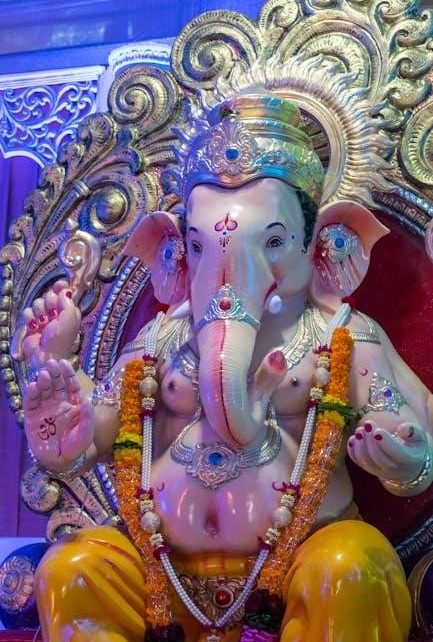
Hanuman Chalisa Tamil Lyrics PDF: A Comprehensive Guide
This guide offers a detailed exploration of accessing the Hanuman Chalisa in Tamil‚ including PDF downloads‚ translations‚ and cultural significance within Tamil Nadu․
The Hanuman Chalisa‚ a devotional hymn dedicated to Lord Hanuman‚ holds immense significance for devotees globally‚ and its Tamil rendition is no exception․ Commonly referred to as “Hanuman Chalisa Tamil” (ஹனமன் சலச)‚ this sacred text is a cornerstone of Hindu worship‚ particularly among those devoted to Rama․ The hymn‚ traditionally believed to be authored by Tulsidas‚ comprises 40 verses (chalisa meaning forty in Hindi) and beautifully narrates the qualities‚ strength‚ and unwavering devotion of Hanuman․
Its Tamil translation allows a wider audience to connect with its spiritual essence․ Finding the Hanuman Chalisa in Tamil PDF format is increasingly popular‚ facilitating easy access for recitation and study․ This guide will delve into the nuances of the Tamil lyrics‚ available resources‚ and the cultural context surrounding this beloved hymn․
The Significance of Hanuman in Tamil Culture
Lord Hanuman enjoys a revered position within Tamil Hindu traditions‚ embodying strength‚ devotion‚ and selfless service – qualities deeply valued in Tamil ethos․ While primarily known through the Ramayana narrative‚ Hanuman’s influence extends beyond the epic‚ permeating local folklore and temple worship across Tamil Nadu․ Many temples are dedicated to Hanuman‚ witnessing fervent devotion‚ especially on Hanuman Jayanti․
The Hanuman Chalisa’s Tamil translation further amplifies this reverence‚ allowing Tamil-speaking devotees to directly engage with the hymn’s powerful verses․ Accessing the Hanuman Chalisa in Tamil PDF format enhances accessibility‚ fostering a deeper connection with Hanuman’s virtues and facilitating widespread recitation within homes and temples throughout the region․
What is the Hanuman Chalisa?
The Hanuman Chalisa is a 40-verse devotional hymn dedicated to Lord Hanuman‚ composed by 16th-century poet Tulsidas․ Written in the Awadhi dialect‚ it beautifully narrates Hanuman’s strength‚ courage‚ devotion to Rama‚ and selfless service․ It’s a cornerstone of Hindu devotional practice‚ recited for blessings‚ protection‚ and spiritual growth․
The Tamil translation of the Hanuman Chalisa makes this powerful hymn accessible to a wider audience; Finding a reliable Hanuman Chalisa Tamil PDF allows devotees to easily access and recite the verses in their native language‚ deepening their connection with Hanuman and experiencing the benefits of this sacred text․
Understanding the Text
Delving into the Hanuman Chalisa requires understanding its origins‚ authorship by Tulsidas‚ and the structured format of its forty verses for meaningful recitation․
Origin and Authorship of the Hanuman Chalisa
The Hanuman Chalisa‚ a devotional hymn dedicated to Lord Hanuman‚ is traditionally attributed to the 16th-century poet Tulsidas․ Believed to have been composed during his stay in Varanasi‚ the Chalisa emerged from a period of intense devotion and spiritual seeking․ Stories suggest Tulsidas composed it after a challenging encounter‚ seeking Hanuman’s blessings and strength;
The text’s origins are deeply rooted in the Ramayana‚ drawing heavily from Hanuman’s character and exploits within the epic․ Tulsidas‚ a renowned devotee of Rama‚ infused the Chalisa with profound reverence for Hanuman as the ultimate devotee – a symbol of selfless service‚ unwavering loyalty‚ and immense power․ The Chalisa’s creation reflects Tulsidas’s deep understanding of Hindu scriptures and his poetic genius‚ resulting in a timeless piece of devotional literature․
Tulsidas and the Devotion to Hanuman
Tulsidas’s unwavering devotion to Lord Hanuman profoundly shaped the creation of the Hanuman Chalisa․ He viewed Hanuman not merely as a powerful deity‚ but as the embodiment of selfless service (seva)‚ unwavering devotion (bhakti)‚ and unparalleled strength․ This deep reverence is palpable throughout the 40 verses‚ celebrating Hanuman’s virtues and his unwavering loyalty to Rama․
Tulsidas’s own life‚ marked by spiritual seeking and hardship‚ fueled his connection with Hanuman․ He saw in Hanuman a source of solace‚ strength‚ and guidance․ The Chalisa‚ therefore‚ isn’t just a poetic composition; it’s a personal expression of Tulsidas’s profound faith and a testament to the transformative power of devotion to Hanuman․ His work continues to inspire millions globally․
The Structure of the Hanuman Chalisa: 40 Verses
The Hanuman Chalisa is meticulously structured into 40 verses‚ comprising a blend of dohas (couplets) and chaupais (quatrains)․ The initial verses establish Hanuman’s glorious attributes and divine form‚ setting a reverent tone․ Subsequent verses narrate his heroic deeds from the Ramayana‚ emphasizing his unwavering devotion to Lord Rama and his extraordinary capabilities․
The verses progressively build a powerful narrative‚ culminating in a heartfelt plea for Hanuman’s blessings․ This structure isn’t arbitrary; it’s designed to facilitate focused meditation and devotional practice․ Each verse serves as a step towards deeper connection with Hanuman‚ making the Chalisa a potent spiritual tool․ The consistent format aids memorization and recitation․
Hanuman Chalisa Tamil Translation
Tamil translations of the Hanuman Chalisa present unique challenges due to linguistic differences between Sanskrit and Tamil‚ requiring careful consideration for accuracy․
Challenges in Translating the Hanuman Chalisa
Translating the Hanuman Chalisa from Sanskrit to Tamil presents considerable hurdles․ The core difficulty lies in preserving the devotional essence and poetic rhythm while accurately conveying the meaning․ Sanskrit’s complex grammatical structure and rich vocabulary don’t always have direct equivalents in Tamil․ Maintaining the chhanda (meter) and vritta (poetic form) is crucial‚ yet challenging to replicate faithfully․
Furthermore‚ cultural nuances embedded within the verses require careful interpretation to resonate with a Tamil-speaking audience․ A literal translation might miss the underlying bhava (emotional sentiment)․ Finding Tamil words that encapsulate the same spiritual weight as their Sanskrit counterparts demands deep linguistic and devotional understanding․ Ensuring the translated lyrics are suitable for recitation and bhajan (devotional singing) adds another layer of complexity․
Key Differences Between Sanskrit and Tamil
Sanskrit and Tamil‚ though both ancient languages‚ diverge significantly in structure․ Sanskrit is an Indo-Aryan language‚ heavily inflected with a complex case system‚ while Tamil is a Dravidian language employing agglutination – adding suffixes to root words․ This impacts translation‚ as Sanskrit’s concise expressions often require longer Tamil phrases․
Vocabulary also presents challenges․ Many Sanskrit terms have no direct Tamil equivalents‚ necessitating paraphrasing or borrowing․ Phonetically‚ the languages differ; sounds present in Sanskrit may not exist in Tamil‚ and vice versa․ Sanskrit’s emphasis on abstract concepts requires careful contextualization for Tamil speakers․ The poetic traditions also vary‚ influencing how verses are interpreted and rendered effectively․
Availability of Accurate Tamil Translations
Finding precise Tamil translations of the Hanuman Chalisa proves challenging․ Numerous versions circulate online‚ varying in accuracy and poetic quality․ Some prioritize literal translation‚ sacrificing flow‚ while others emphasize lyrical beauty‚ potentially altering meaning․ Several websites offer downloadable PDFs‚ but verifying authenticity is crucial․
Reliable sources often stem from established religious organizations or scholars familiar with both Sanskrit and Tamil devotional literature․ Beware of translations with grammatical errors or inconsistencies․ Comparing multiple versions can help identify discrepancies․ The ideal translation balances fidelity to the original Sanskrit with natural‚ understandable Tamil phrasing‚ preserving the devotional essence of the Chalisa․

Finding the Hanuman Chalisa in Tamil PDF Format
Numerous websites provide free Hanuman Chalisa Tamil PDF downloads‚ offering convenient access to this sacred text for devotees and learners alike․
Popular Websites Offering Free PDF Downloads
Several online platforms cater to devotees seeking the Hanuman Chalisa in Tamil PDF format․ Websites dedicated to Hindu scriptures and devotional content frequently host these files for free download․ Resources like radiovd․com directly offer the Hanuman Chalisa PDF‚ alongside options for other languages․
Additionally‚ general document-sharing sites and online libraries may contain scanned or digitally created versions of the Tamil Hanuman Chalisa․ However‚ users should exercise caution when downloading from less-known sources to ensure authenticity and avoid potential malware․ Always prioritize reputable websites specializing in religious texts for a reliable and safe download experience․ Checking multiple sources can also help verify the accuracy of the lyrics․
Reliable Sources for Authentic Tamil Lyrics
Finding accurate Tamil translations of the Hanuman Chalisa requires careful source selection․ Websites associated with established Hindu organizations or temples in Tamil Nadu are generally trustworthy․ Look for PDFs originating from respected spiritual leaders or published by recognized devotional publishers․
Furthermore‚ online platforms hosting scholarly translations of religious texts can provide verified lyrics․ Cross-referencing multiple sources is crucial to confirm the authenticity of the verses․ Be wary of user-generated content or websites lacking clear authorship information․ Prioritizing sources with a proven track record of accuracy ensures a genuine and spiritually enriching experience with the Hanuman Chalisa in Tamil․
Checking PDF Authenticity and Avoiding Errors
When downloading a Hanuman Chalisa Tamil PDF‚ verifying its authenticity is paramount․ Examine the source website’s reputation and look for any signs of tampering or modification․ Compare the PDF’s content with known‚ reliable online versions of the lyrics to identify discrepancies․
Pay close attention to the transliteration and translation quality; errors can alter the meaning․ Check for consistent formatting and proper rendering of Tamil characters․ If possible‚ consult with a Tamil-speaking scholar or devotee to review the PDF’s accuracy․ Prioritizing these checks safeguards against inaccurate or misleading versions of this sacred text․

Benefits of Reciting the Hanuman Chalisa
Reciting the Hanuman Chalisa in Tamil fosters devotion‚ overcomes obstacles‚ and enhances courage and strength‚ offering spiritual upliftment and positive energy to practitioners․
Spiritual Benefits and Devotion
The Hanuman Chalisa‚ when recited in Tamil‚ profoundly deepens one’s spiritual connection with Lord Hanuman and‚ by extension‚ with Lord Rama․ This devotional hymn cultivates bhakti‚ fostering a sense of surrender and unwavering faith․ Regular recitation is believed to purify the heart‚ diminish ego‚ and promote inner peace․
The Tamil translation allows devotees to connect with the verses on a more intimate level‚ understanding the nuances of Hanuman’s glory and devotion․ It’s considered a powerful practice for attracting divine grace‚ receiving blessings‚ and experiencing a heightened state of consciousness․ The lyrical beauty and rhythmic flow of the Chalisa‚ even in translation‚ contribute to a meditative and transformative experience‚ strengthening the devotee’s spiritual resolve;
Overcoming Obstacles and Negative Energies
Reciting the Hanuman Chalisa in Tamil is widely believed to be a potent remedy for overcoming life’s challenges and warding off negative influences․ Hanuman‚ revered for his unwavering courage and strength‚ is considered a protector against adversity․ The verses are thought to create a shield of positive energy‚ dissolving obstacles and mitigating the effects of malefic planetary positions․
Specifically‚ the Tamil translation allows for a deeper resonance with the protective energies invoked within the Chalisa․ It’s believed to dispel fear‚ anxiety‚ and negativity‚ fostering a sense of security and confidence․ Consistent recitation is said to neutralize harmful energies‚ break through blockages‚ and pave the way for success and well-being‚ offering solace and strength during difficult times․
Enhancing Courage and Strength
The Hanuman Chalisa‚ when recited in Tamil‚ is profoundly linked to cultivating inner courage and bolstering physical and mental strength․ Hanuman embodies selfless service‚ unwavering devotion‚ and immense power – qualities devotees seek to embody․ The Tamil lyrics‚ resonating with cultural nuances‚ amplify this effect‚ fostering a deep connection with Hanuman’s heroic spirit․
Regular recitation is believed to instill a sense of fearlessness‚ enabling individuals to confront challenges with resilience and determination․ It’s thought to enhance self-confidence‚ improve focus‚ and provide the fortitude needed to overcome obstacles․ The Chalisa’s verses act as a source of inspiration‚ reminding practitioners of their inherent potential for strength and bravery‚ ultimately empowering them to live a life of purpose․
How to Recite the Hanuman Chalisa
Proper recitation involves accurate Tamil pronunciation‚ ideally at dawn or dusk‚ within a clean‚ peaceful space‚ fostering devotion and maximizing benefits․
Proper Pronunciation of Tamil Verses
Achieving correct pronunciation of the Tamil Hanuman Chalisa verses is crucial for effective recitation and realizing its spiritual benefits․ Tamil‚ distinct from Sanskrit‚ possesses unique phonetic sounds and grammatical structures․ Many online resources and audio recordings can aid learners in mastering these nuances․
Pay close attention to the vowel sounds and consonant combinations‚ as subtle differences can alter the meaning․ Utilizing a PDF with a transliteration alongside the Tamil script can be immensely helpful․ Seeking guidance from a native Tamil speaker or a scholar familiar with the Chalisa is highly recommended․ Consistent practice and mindful repetition will gradually improve accuracy and fluency‚ deepening your connection with the devotional verses․
Recommended Time and Frequency of Recitation
Traditionally‚ reciting the Hanuman Chalisa is considered most auspicious during specific times․ Early mornings‚ before sunrise‚ are highly favored‚ as the atmosphere is believed to be serene and conducive to spiritual practice․ Tuesdays‚ dedicated to Lord Hanuman‚ are particularly potent days for recitation․
However‚ consistent daily practice is more valuable than sporadic‚ elaborate sessions․ Reciting the Chalisa once daily is a common recommendation‚ but devotees often choose to recite it multiple times based on their devotion and time availability․ Establishing a regular schedule fosters discipline and deepens the connection with Hanuman’s energy․ A peaceful environment enhances the meditative quality of the recitation․
Creating a Sacred Space for Recitation
Establishing a dedicated and clean space enhances the spiritual experience of reciting the Hanuman Chalisa in Tamil․ Ideally‚ choose a quiet corner free from distractions․ An altar adorned with an image or idol of Lord Hanuman is highly recommended‚ along with offerings like flowers‚ incense‚ and fruits․
Facing east or north during recitation is considered auspicious․ Ensure the space is well-ventilated and comfortable․ Lighting a diya (oil lamp) symbolizes the dispelling of darkness and the awakening of inner light․ Maintaining a respectful and reverent atmosphere cultivates a deeper connection with the divine energy of Hanuman‚ fostering a more meaningful practice․

Hanuman Chalisa Tamil Lyrics: Key Verses
Highlighted verses from the Tamil Hanuman Chalisa showcase Hanuman’s glory‚ devotion to Rama‚ and powerful descriptions found within the translated PDF texts․
The opening Doha in the Tamil Hanuman Chalisa‚ readily available in PDF formats online‚ serves as a powerful introduction to Hanuman’s divine attributes․ Translations emphasize his auspiciousness and the blessings received through devotion․ The verse typically begins with reverence‚ invoking Hanuman’s name and highlighting his role as a devoted servant of Rama․
PDF versions often include transliteration alongside the Tamil text‚ aiding pronunciation for those unfamiliar with the script․ This first Doha establishes the hymn’s purpose – to praise Hanuman and seek his grace․ It’s a foundational verse‚ setting a tone of humility and devotion that permeates the entire Chalisa‚ as seen in various downloadable resources․
Chaupai 1: Description of Hanuman’s Appearance
The first Chaupai within the Tamil Hanuman Chalisa‚ frequently found in downloadable PDF versions‚ vividly portrays Hanuman’s majestic physical form․ Translations detail his golden complexion‚ radiant aura‚ and powerful build․ Descriptions often mention his adorned body – the sacred thread‚ earrings‚ and the various ornaments befitting a divine being․
PDF resources showcase the poetic imagery used to depict Hanuman’s strength and beauty․ The verse emphasizes his youthful appearance despite his immense power and wisdom․ This Chaupai serves to visualize Hanuman‚ fostering a deeper connection with his divine presence․ Accurate Tamil PDFs preserve the original Sanskrit nuances‚ offering a rich devotional experience․
Chaupai 10: Hanuman’s Devotion to Rama
Chaupai 10‚ readily available in Tamil Hanuman Chalisa PDFs‚ beautifully illustrates Hanuman’s unwavering devotion to Lord Rama․ Translations emphasize his selfless service‚ complete surrender‚ and profound love for his master․ The verse highlights Hanuman as the ultimate devotee‚ embodying loyalty and dedication․
PDF versions often include explanations of this Chaupai’s significance‚ stressing that Hanuman’s devotion is the key to unlocking blessings․ It’s a powerful reminder of the importance of bhakti (devotion) in spiritual practice․ Accurate Tamil translations maintain the emotional depth of the original Sanskrit‚ inspiring readers to cultivate similar devotion within themselves․

Hanuman Chalisa and Tamil Festivals
The Hanuman Chalisa‚ often recited during Hanuman Jayanti in Tamil Nadu‚ integrates seamlessly into local religious practices‚ enhancing festive devotion and spiritual connection․
Hanuman Jayanti Celebrations in Tamil Nadu

Hanuman Jayanti‚ the birthday of Lord Hanuman‚ is celebrated with immense fervor across Tamil Nadu‚ often coinciding with the Chaitra Purnima․ Devotees flock to Hanuman temples‚ adorned with flowers and vibrant decorations‚ offering prayers and special pujas․ A central element of these celebrations is the recitation of the Hanuman Chalisa‚ frequently in Tamil translations readily available as PDFs for convenient access․
Many communities organize devotional singing (bhajans) and discourses centered around the life and teachings of Hanuman‚ emphasizing his unwavering devotion to Rama․ The Tamil Hanuman Chalisa PDF versions are widely distributed and used during these events‚ facilitating collective chanting and fostering a sense of unity among worshippers․ Special offerings‚ like bananas and sweets‚ are presented to the deity‚ and the day culminates in a spirit of joyous celebration and spiritual renewal․
Incorporating the Chalisa into Tamil Religious Practices
The Hanuman Chalisa‚ even in its Tamil translated form (often found as readily downloadable PDFs)‚ is increasingly integrated into daily and festive religious practices across Tamil Nadu․ Many households incorporate the recitation as a part of their morning prayers‚ seeking blessings for strength‚ courage‚ and protection․
During temple festivals and personal ceremonies‚ the Tamil lyrics‚ easily accessible via PDF‚ are chanted to invoke Hanuman’s grace․ The availability of accurate Tamil translations allows a wider audience to connect with the devotional verses․ Some devotees also combine the Chalisa recitation with other traditional Tamil hymns and prayers‚ creating a unique blend of devotional practices․ This demonstrates the Chalisa’s growing acceptance and relevance within the Tamil Hindu community․
The Role of Bhakti in Tamil Hinduism
Bhakti‚ or devotional love‚ is a cornerstone of Tamil Hinduism‚ and the Hanuman Chalisa‚ even in Tamil PDF format‚ beautifully exemplifies this principle․ The Chalisa’s verses are designed to evoke intense devotion to Lord Hanuman‚ resonating deeply with the Tamil tradition of heartfelt worship․
Tamil religious practices heavily emphasize personal connection with deities‚ and the accessible Tamil translations of the Chalisa facilitate this intimacy․ Reciting the verses‚ often downloaded as PDFs for convenience‚ allows devotees to express their faith and seek Hanuman’s blessings․ This aligns with the Tamil devotional tradition of prapatti – surrender and reliance on divine grace‚ making the Chalisa a powerful tool for spiritual growth․

Additional Resources
Explore online Tamil learning platforms‚ discover Hanuman temples in Tamil Nadu‚ and delve deeper into the Ramayana for enriched understanding․
Online Platforms for Learning Tamil
For those seeking to understand the Tamil Hanuman Chalisa lyrics‚ several online platforms offer comprehensive language learning resources․ Duolingo provides a gamified approach to learning basic Tamil vocabulary and grammar‚ ideal for beginners․ Websites like Learn Tamil offer structured courses covering pronunciation‚ reading‚ and writing‚ catering to various skill levels․
Furthermore‚ platforms such as Tamilcube provide dictionaries‚ transliteration tools‚ and cultural insights‚ aiding in accurate interpretation of the Chalisa’s verses․ YouTube channels dedicated to Tamil language instruction offer video lessons and pronunciation guides․ Utilizing these resources will significantly enhance comprehension and appreciation of the Hanuman Chalisa in its original Tamil form‚ fostering a deeper connection with the devotional text․
Hanuman Temples in Tamil Nadu
Tamil Nadu boasts numerous Hanuman temples where devotees frequently recite the Hanuman Chalisa‚ often in Tamil․ The Sankara Hanuman Temple in Chennai is renowned for its serene atmosphere and dedicated Hanuman idol‚ attracting many for prayer and Chalisa recitation․ Similarly‚ the Hanuman Temple in Madurai is a significant pilgrimage site‚ deeply connected to local traditions․
Visiting these temples provides an immersive experience‚ allowing individuals to witness the Chalisa being sung and feel the devotional energy firsthand․ Many temples also distribute printed copies of the Tamil Hanuman Chalisa lyrics‚ facilitating participation․ Exploring these sacred spaces enhances understanding and appreciation of the Chalisa’s cultural and spiritual importance within Tamil Nadu’s vibrant religious landscape․
Further Reading on Hanuman and the Ramayana
To deepen your understanding of Hanuman and the Ramayana‚ several resources are available․ “The Ramayana” translated by William Buck provides a comprehensive English version of the epic․ For insights into Hanuman’s devotion‚ explore scholarly articles on Bhakti Yoga and its significance in Hinduism․
Specifically regarding Tamil interpretations‚ research works on Tamil Ramayana traditions‚ like Kamban Ramayanam‚ offer valuable context․ Online platforms like the Hindu website and various academic databases host articles on Hanuman’s role and the Hanuman Chalisa’s impact․ These resources enrich your appreciation of the Chalisa’s origins and its enduring relevance within the broader narrative of the Ramayana․